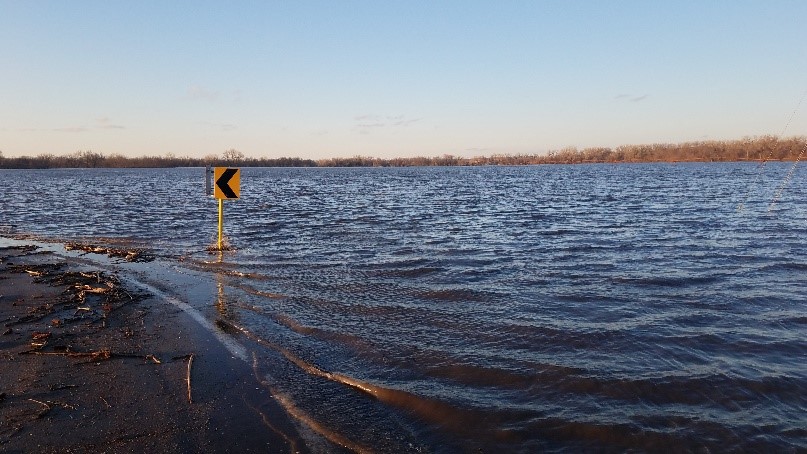
Excessive rainfall and quick snow melt have led to flooding, ponding water and saturated soils. These conditions could impact when acticities begin this spring.
The excessive flooding in parts
Farm Field, Douglas County Nebraska, March 17, 2019.
of the U.S. has done property, infrastructure and even soil damage. Farmsteads, roads, bridges and waterways (creeks and rivers) have been impacted by flooding. Excessive runoff and rainfall have inundated farm fields with water and debris and caused erosion. Fields will need to drain and dry, be cleaned of debris and have erosive gullies corrected before field work can begin.
The outcomes of these high-water events include:
Delays in going to the field
Delays in spring tillage and fertilizer application
Delays in planting
More water means soil saturation, more potential nitrogen loss, less nitrogen for corn and an increased risk to water quality
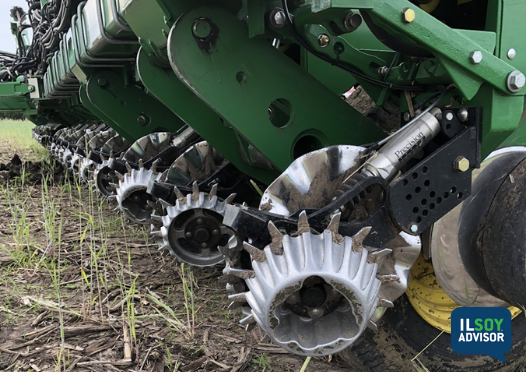
Increased risk of creating traffic and sidewall compaction because growers will be in a hurry to enter the field before the field is fit to work
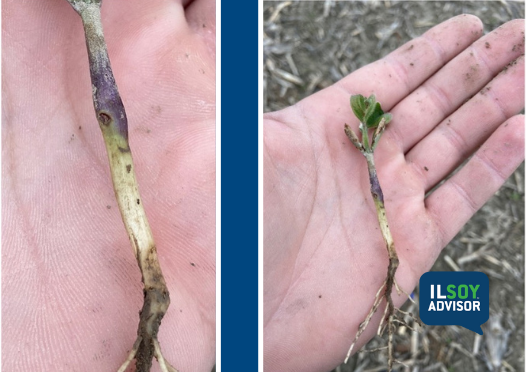
Increased risk of soil-borne pathogen problems
Field work will start at least two weeks later and for those heavy black soils on river bottoms or even in the flat central plains of Illinois, it may be as much as four weeks later.
Corn planting could be delayed this season, particularly in impacted areas. However, remember that early planting doesn’t benefit corn nearly as much as soybeans. And if corn is planted between April 15 and May 5 – 10, there is really no impact on potential corn yield. However, to stay within that ideal planting window, growers will need to run more than one planter and be willing to plant longer each day—even up to 24 hours a day. At the same time, growers need to be cautious and make sure they plant when soil conditions are fit (crumbly, yet moist to the touch).
Five years ago we would have said that if corn planting is delayed, there will be more acres planted to soybeans. Today that conventional thinking may still play out to an extent. However, we know that soybean yield benefits from early planting more than corn. Soybeans should be planted at the same time as corn and you can plant soybeans in conditions that are less ideal than for corn. So, for those growers who have adopted early planting of soybeans, delays in planting will have an impact on yield for both crops. The goal is to have the equipment, manpower and strategy to plant as many acres as possible in the most optimal planting window.
But when you get out past May 10 or May 15 and into later May, it begins to make more sense to switch to soybeans because if you can narrow the rows and increase the populations you can compensate for some of that loss of the time necessary to build yield. Growers can’t achieve that same outcome if corn is planted that late. All they can do is take the yield loss that comes with late planting and hope the hybrid reaches maturity before the first hard frost.
If you were impacted by heavy rains and flooding this spring what strategy do you have in place?
Dan Davidson
Soybean agronomist Daniel Davidson, Ph.D., posts blogs on topics related to soybean agronomy. Feel free to contact him at djdavidson@agwrite.com or ring him at 402-649-5919.
If I were to ask the question, “What are the two largest management factors that come to mind when you hear soybean management factors?” What would your answer be? For myself, the top two things that come to mind are early planting date (late March and April) and herbicide resistance.
Early planting date has arguably been the biggest soybean yield driver because of the increased number of days before the plant starts to flower. This allows... Read More →
by Jeff Shaner, AgVenture Seed Company Soybean Product Lead
April 15, 2022
Most every major purchase you make comes with an owner’s manual that tells you the right ways to have a successful run with your item. Your car comes with an owner’s manual, your lawn mower, even your pet rock did as I recall. You get an owner’s manual after you’ve taken possession of the goods, which means it is a separate publication from the product guide you look at prior to purchase. If your soybean seed purchase this year came with an... Read More →
by David Murphy, 360 Yield Center Regional Manager
March 28, 2022
I am a family farmer in Bureau and Marshall County. Late night host David Letterman had a Top 10 countdown as a longtime popular segment on his show. My last name is Murphy, not Letterman, but here is my Top 10 Planter list for 2022.
Soil Preparation
Ignoring differences in all the available options of soil preparation, a couple planter attachments are most common across Illinois, row cleaners and no-till coulters. Row cleaners are... Read More →


Comments
Add new comment